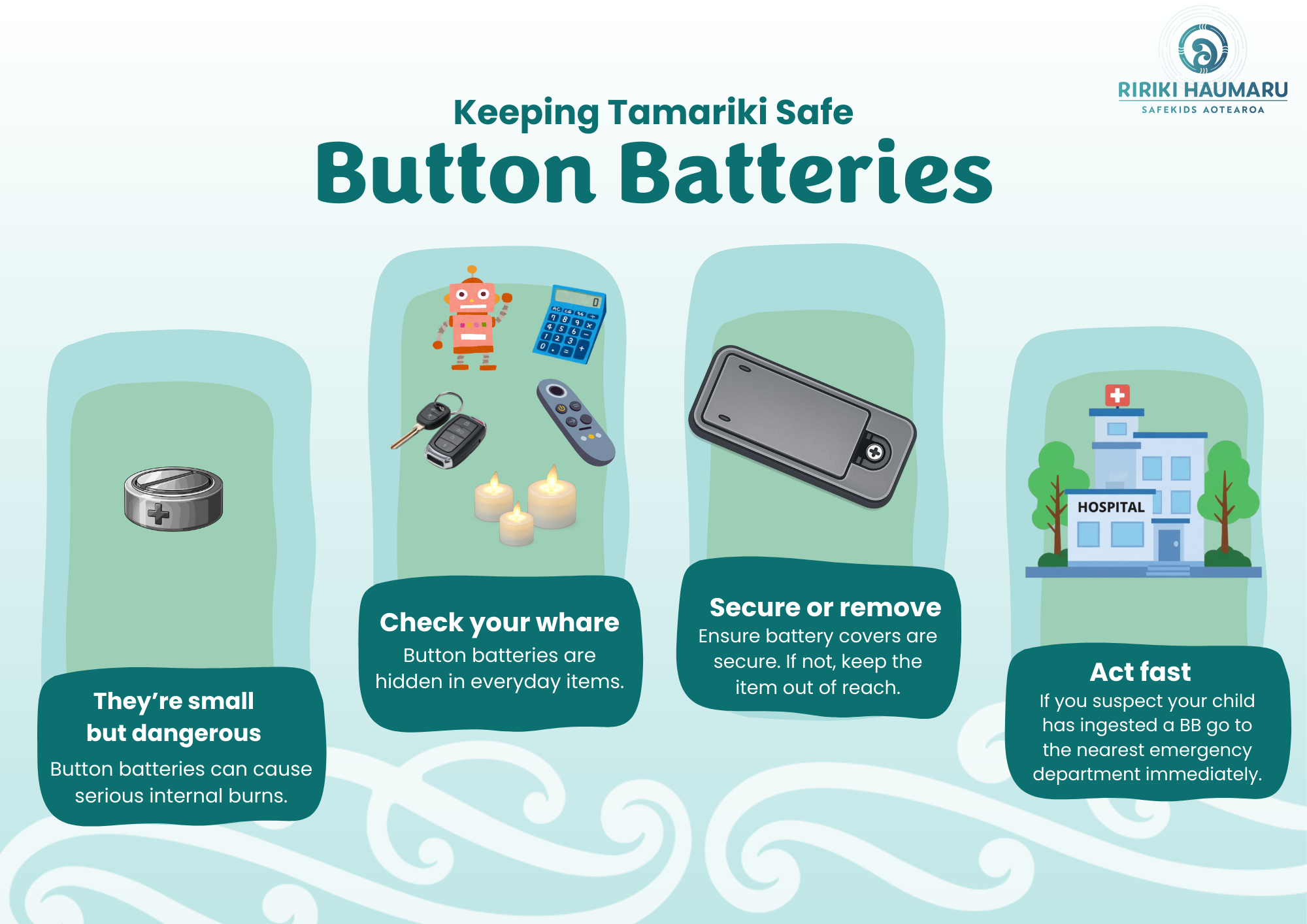
Keep button batteries secure: Keep kids safe
Button batteries are found in many everyday household items from remote controls to toys and hearing aids.
When swallowed or inserted into ears or noses, they can cause severe internal burns within hours.
Children under 5 are most at risk because of their natural tendency to put objects in their mouths and noses.
What are button batteries?
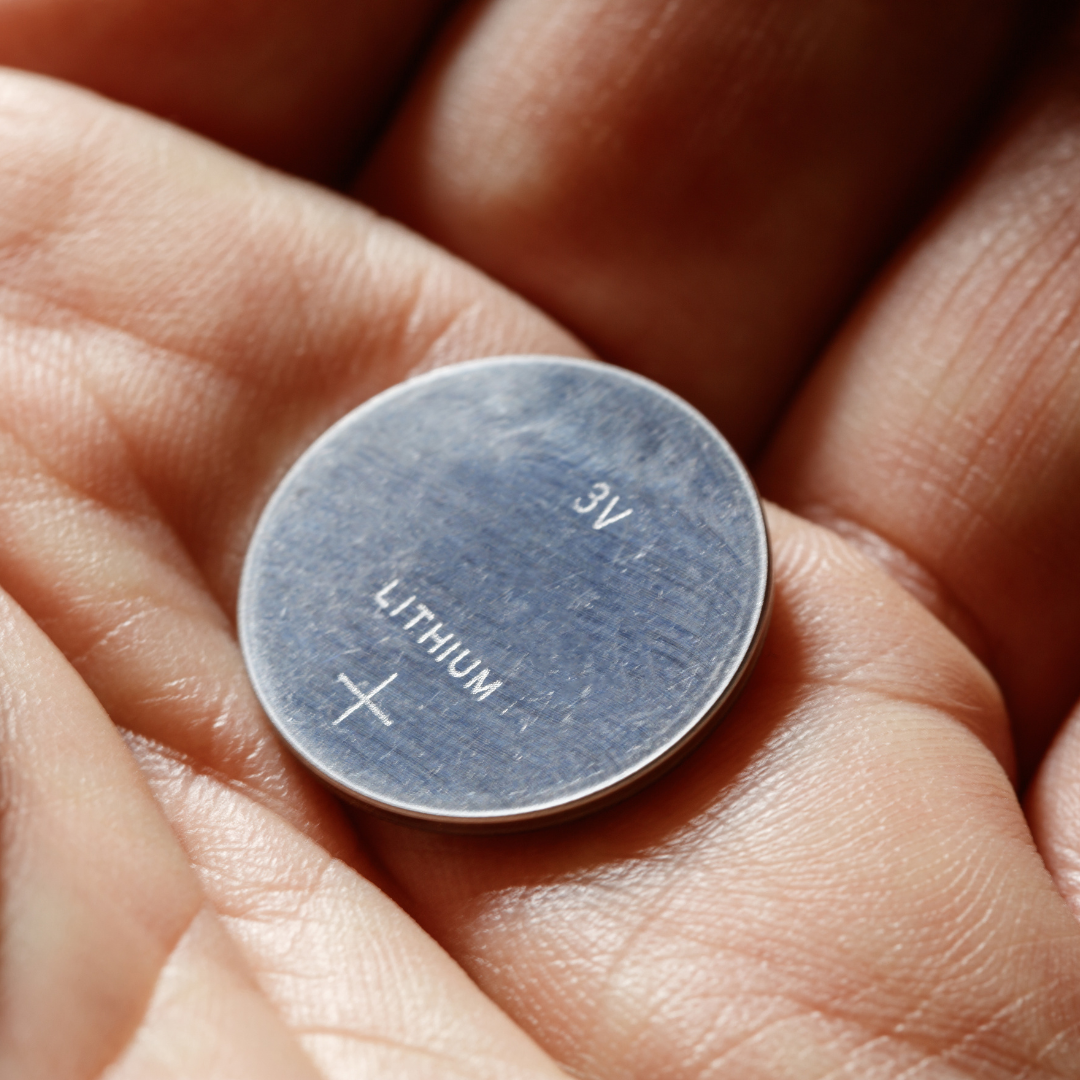
Button batteries are a small round battery, typically between 5mm to 25mm in diameter and 1mm to 6mm in height but can vary in exact size.
Coin batteries are slightly larger, wider and flatter, shaped like a coin. While button batteries are flat and disc shaped.
Button batteries are made from alkaline, lithium, or silver oxide. Coin batteries are typically made from lithium.
Both types of batteries are round, and small enough for children to swallow.and can get stuck in the esophagus.
What are the dangers of button batteries?
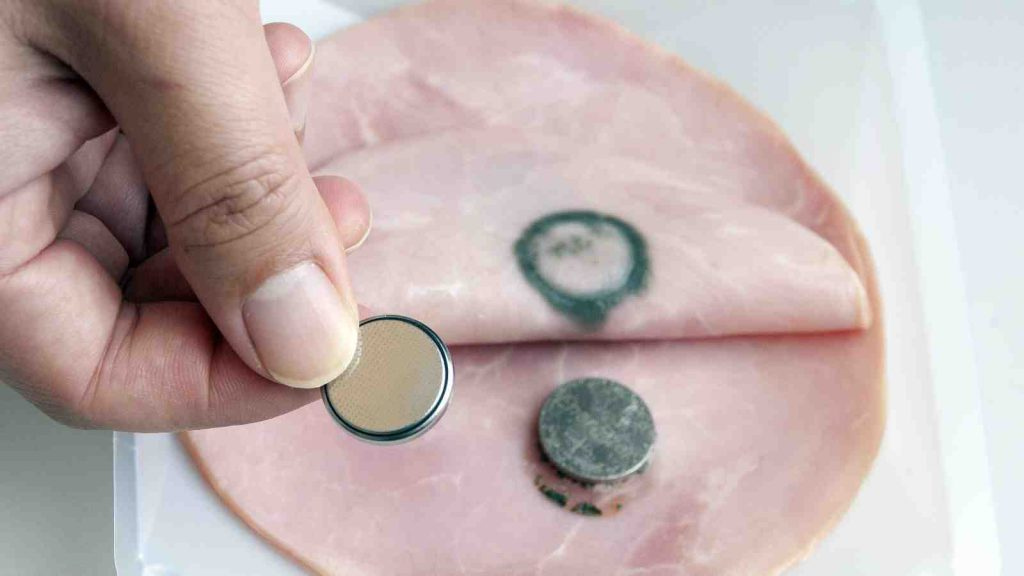
When energy from a button battery reacts with saliva this creates caustic soda that can burn through the foodpipe, nasal septum, ear canal, and the main artery, causing severe internal injuries and death if swallowed.
This is the equivalent reaction to a drain cleaner going down a drain. Serious injury can occur in as little as two hours.
What to do if your child ingests a button battery
If you suspect your child has swallowed a button battery go immediately to the emergency department.
Honey can significantly reduce burn injuries from swallowing button batteries.
If you have some available, give your child 2 teaspoons before heading to the hospital, as long as they are at least a year old and there is no obvious chest pain or fever.
You can give 2 teaspoons every 10 minutes, up to 6 doses. Give honey if it doesn’t cause a delay in getting to the emergency department.
It’s best not to induce vomiting or have your child eat or drink anything other than honey as mentioned above, until a doctor has seen them.
Check your home for button batteries
There are many common household items that you might not realise contain button batteries.
Items such as toys, car keys, hearing aids, watches, torches, digital thermometers, remotes kitchen and bathroom scales, can contain button batteries.
Find the hidden button batteries in your home with our room by room checklist here:
Living Room:
Heater remote
TV remote
Toys such as light up toys, toys that make sound
Musical greeting cards
Calculators
Tea lights, LED candles
Torch
Apple Air Tags
Holiday ornaments, flashing decorations
Kitchen:
Kitchen Scales
Digital Thermometer
Car Keys
Glucose monitors
Digital timers
Bathroom:
Bathroom scales
Electronic, light up or singing toothbrushes
Bedroom:
Hearing Aids
Watch
Gaming headsets
Light up jewellery/clothing/shoes
Clocks or digital alarms
Fan or heater remote
Sound remotes
Safe Storage & Disposal
It’s safest to store button batteries and the devices that use them, up high and out of reach and sight of tamariki. Button batteries should not be stored in medicine containers or near medications or in pockets.
Even if you dispose of your button batteries in a bin, young children can still find these. Put tape on both sides of the battery before disposing it as even spent batteries can still be a fire hazard and can still have enough voltage to cause injury.
Check the battery compartment is secured
Check that the battery compartment door is securely shut and screws are not missing or broken.
Download our Button Battery Safety PDF