
Safekids Aotearoa Child Injury Data Book - Evidence to Prevent Harm
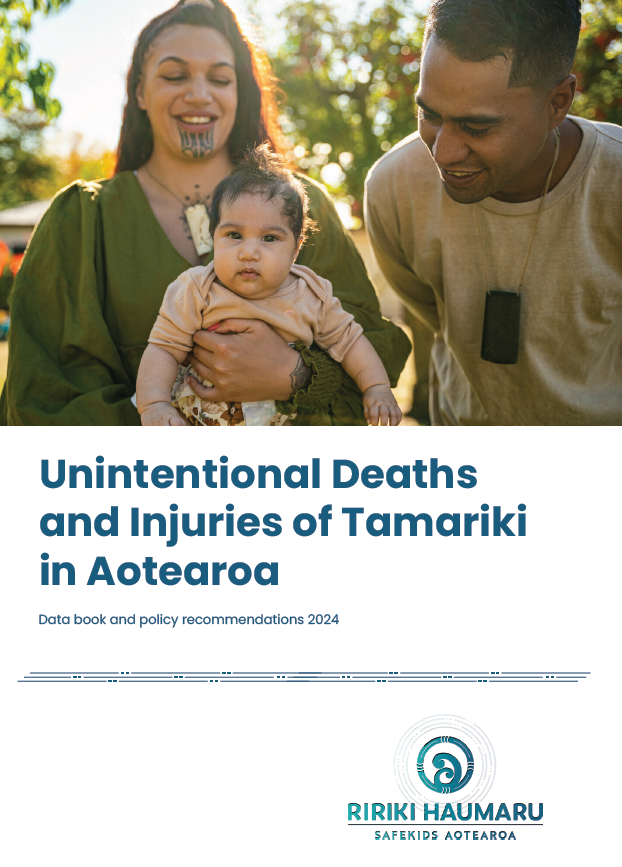
The Safekids Aotearoa Data Book brings together the latest insights on unintentional child injury in Aotearoa. It is designed to support informed decision-making, spark practical action, and strengthen prevention efforts that protect tamariki across the motu. This is more than a document. It is a tool for change, grounded in evidence and shaped to be useful for communities, practitioners, and decision-makers.
What you’ll find inside
The Data Book provides clear, accessible insights, including:
Injury trends over time
Breakdowns by age group, ethnicity, and region
Key injury causes and patterns of harm
Equity insights that highlight where prevention and investment are most urgently needed
Data that supports local planning, programme design, and advocacy
Policy recommendations
Read the Databook
Foreword and Executive Summary
Part 1: Unintentional Injury of Tamariki: Snapshot of Trends
Part 3: Choking, Suffocation and Strangulation
Part 6: Inanimate Mechanical Forces
Part 7: Animate Mechanical Forces
Why this matters
Unintentional injury remains one of the leading causes of preventable harm for tamariki in Aotearoa. The data highlights the importance of early, upstream prevention, and makes inequities visible so responses can be designed to meet real-world need.
When data is understood and applied well, it becomes a pathway to action. It supports smarter investment, stronger partnerships, and safer environments for whānau.
Who this is for
Community and iwi/Māori organisations
Health and social service providers
Local government and planners
Policy teams and funders
Educators and whānau-facing services
Researchers, advocates, and prevention practitioners
How to use the Data Book
Identify priority injury issues in your rohe or community
Support funding applications and reporting
Inform programme design and targeted prevention activity
Strengthen cross-sector conversations with evidence
Align actions across agencies and partners