Choking Prevention for Babies and Toddlers
Why choking prevention matters in Aotearoa
It takes a village to raise a child. When it comes to kai, multiple hands will provide nourishment to growing pēpi over the course of their lifetime, especially in the early stages of life from 0-5 years. It’s therefore important that kai is prepared in a safe way and shared together with whānau.
Between 2019-2023 there were 156 cases of tamariki being hospitalised due to choking on foods. Most of these incidents were from tamariki aged 0-4 years old and 58% of these were boys.
The risk for choking is higher in children under the age of 5. Tamariki at this age have small airways and are still developing biting, chewing and food grinding skills. It's important to prepare food safely, supervise them when eating and have them sit down when eating.
Foods to Avoid for Toddlers
The foods listed below have a high choking risk and should be avoided if you and your whānau have the option. The foods listed below are either hard to alter and or contain little to no nutritional benefit.
Whole nuts or pieces of nuts
Large seeds, like pumpkin or sunflower seeds
Hard or chewy sweets or lollies
Crisps or chippies and corn chips
Hard rice crackers
Dried fruit
Sausages, saveloys and cheerios
Popcorn
Marshmallows
Bubble tea with tapioca pearls
Alternative Food for Toddlers
Some low cost, nutritional food ideas that are safe when prepped properly for tamariki include
Kumara
Banana
Apple
Yoghurt
Cheese
Potatoes
Carrots
Rēwena bread.
How to Prepare Kai Safely
There are many foods commonly found in the home that can be altered to be safer for tamariki to eat.
For food for under 1 year's old see this guide here
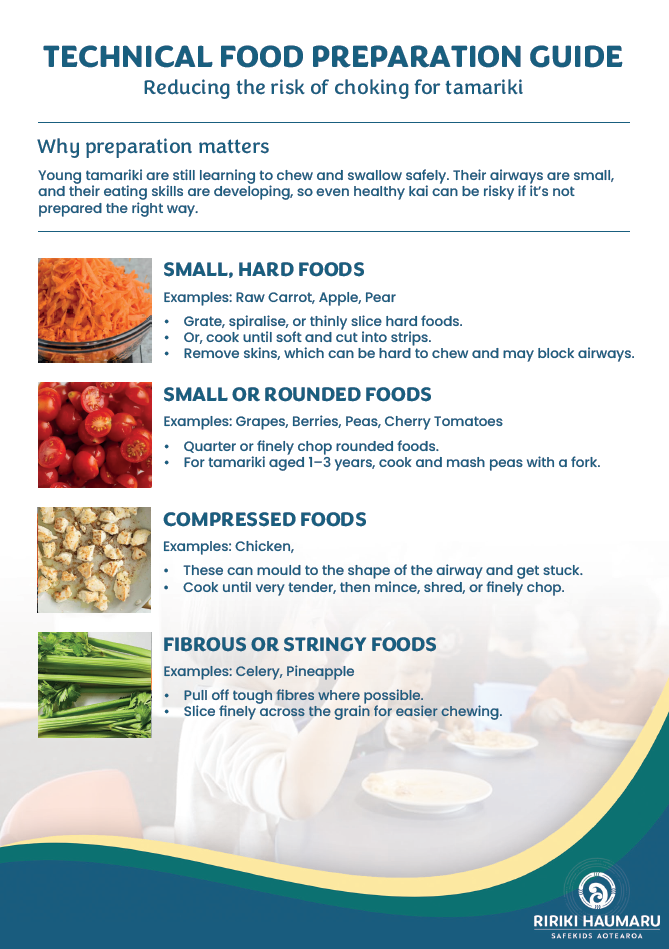
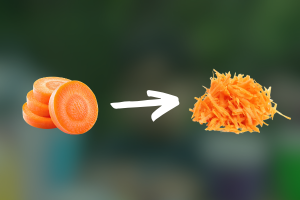
Small hard foods
Examples: Raw carrot, apple, celery
Risk: Hard pieces can get stuck in the airway.
1–3 years:
Grate, spiralise, slice thinly, or cook until soft and cut into strips (4–6 cm).
4–6 years:
Prepare the same as for 1-3 years.
Cut raw veggies or fruit into sticks (4–6 cm) that can be picked up with one hand.
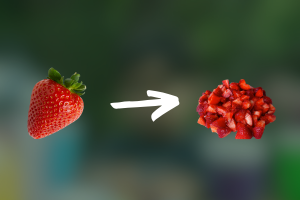
Small Round or Oval Foods
Examples: Grapes, Berries, Cherry Tomatoes, Large Seeds, Fruit with Stones or large seeds
Risk: Can lodge in the airway.
1–3 years:
Remove stones and seeds.
Chop into small pieces (8 mm x 8 mm or smaller), and quarter grapes and berries
4–6 years:
Cut into sticks (4–6 cm) or halve/quarter grapes and tomatoes. Whole cooked peas are okay.
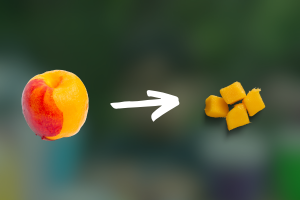
Fruit with skin
Examples: Apples, Pears, Peaches, Plums, Nectarines, Tomatoes
Risk: Skins can seal the airway.
1–3 years:
Remove stones and cut to half the width of a dinner fork.
Grate, slice thinly, or cook until soft and cut into strips that can be picked up with one hand.
4–6 years:
Prepare the same as for 1-3 years.
Cut raw fruit into sticks or finely chop tomato into small pieces that can be picked up with one hand.
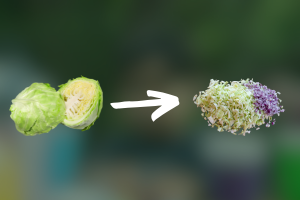
Food with skin or leaves
Examples: Chicken, lettuce, spinach, cabbage
Risk: Hard to chew, can block airway.
Remove chicken skin.
Finely slice or chop salad leaves, spinach, cabbage.
Compressible Foods
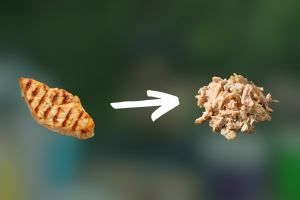
Examples: Cooked meat
Choking risk: Can wedge tightly in airway.
For 1–3 years:
Cook meat until very tender.
Mince, shred, or chop into small pieces (8 mm x 8 mm).
For 4–6 years:
Prepare the same as for 1-3 years or offer thin strips of meat (around 4–6 cm long) that can be picked up with one hand or a fork.
Foods with Bones
Examples: Fish, chicken nibbles
Risk: Small bones can cause choking.
Remove all bones.
Thick pastes
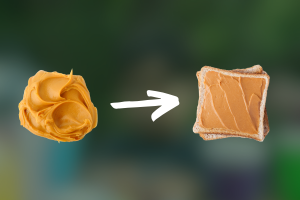
Examples: Nut or seed butter
Risk: Can stick to airway.
Spread thinly and evenly on bread.
Fibrous or Stringy foods
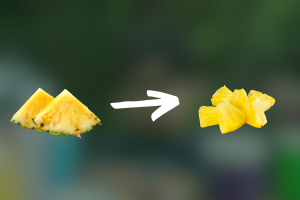
Examples: Raw Pineapple
Risk: Fibres are hard to chew.
Peel skin or strong fibres and slice thinly across the grain.
Safe Eating Practices
It takes a village to raise a child. When whānau come together and eat with pēpi and nohinohi this creates not only a safe eating environment but builds connection with your pēpi.
We encourage sharing kai time with your pēpi, sitting down and sitting up straight also creates a safe environment for eating food. Giving pēpi food that is prepared in a way that is suitable for their age such as mashed kumara for babies and quartered pieces for 5-year-olds protects our taonga.
Recognising and Responding to Choking
If your child is choking, it's important to stay calm and follow the following steps.
Baby with a totally blocked airway
Call 111 for an ambulance.
If the baby is conscious, give up to 5 back blows.
Place the baby face down on your lap with their head lower than their bottom. Make sure you support the baby’s head.
Hit them firmly between their shoulder blades up to 5 times.
Check after each hit to see if the item has moved and the airway is unblocked.
If the item is still stuck, give up to 5 chest thrusts.
Place the baby face upwards on a firm surface.
Place two fingers in the middle of their chest just below the nipples.
Push sharply downwards up to 5 times.
Check between each thrust to see if the item has moved and the airway is unblocked.
If the airway remains blocked continue with back blows and chest thrusts until the ambulance arrives.
Quick help
Ask the person “Are you choking?” to find out if they can breathe.
If they can’t breathe at all, for an ambulance. Tell the call handler the person is choking and follow their instructions.
If they are conscious and can’t breathe at all, hit them 1 - 5 times very hard on the back, and start chest thrusts.
If they can breathe, encourage them to cough, but do not hit them on the back.
If they are unresponsive and not breathing normally, start CPR.
Don't feel whakamā to call for help, in an emergency dial 111 for help.
Adult or child with partially blocked airway (can still breathe)
DO NOT hit them on the back - that may cause the object to move and block their airway completely.
If the person has a partially blocked airway and can breathe:
DO NOT hit them on the back – that may cause the object to move and block their airway completely.
Reassure the person and keep them calm.
Get them to cough to try and get rid of the item that’s stuck.
Stay with them until they have recovered.
If the item remains stuck in their throat, call 111 for an ambulance.
Adult or child with a totally blocked airway
Call 111 for an ambulance.
If the person is conscious, give up to 5 back blows.
With the person leaning forward, either sitting or standing, hit the patient between their shoulder blades using the heel of your hand.
Do this 5 times, checking between each hit to see if the item has moved and the airway is unblocked.
If the item is still stuck, give up to 5 chest thrusts.
With the person either sitting or standing, get behind them and wrap both your arms around their chest.
Place the thumb side of your fist in the middle of the person’s chest.
Grab that fist with your other hand and pull sharply inwards and upwards.
Check between each thrust to see if the item has moved and the airway is unblocked.
If the airway remains blocked continue with back blows and chest thrusts until the ambulance arrives.
This CPR information was taken from St John's, for more information see the link here
FAQ's
1. What are the most common food choking hazards for toddlers?
Common risky foods include nuts, raw fruit/vegetables, sausages, grapes, berries, and raisins.
2. How should I prepare fruit and vegetables to prevent choking?
Foods can be altered by softening, cutting, grating or mashing to alter their texture to prevent choking. Small round and oval foods should be cut up into small pieces and hard food should be softened and or mashed.
3. Can toddlers safely eat nuts, popcorn, and hard lollies?
These foods are particularly hard to alter for tamariki aged 0-3 and we recommend to avoid these all together due to their choking risk.
4. What is the safest way for toddlers to eat with whānau?
The safest way for toddlers to eat is sitting down with whānau. Eating together is not only the safest way for pēpi to eat but also builds connection to you and your pēpi.
5. What should I do immediately if my toddler starts choking?
Check if your child is breathing. If they are not breathing, call 111. Follow the call handlers instruction on what to do. If they are breathing, encourage them to cough. If it remains stuck, call an ambulance.
6. Why are raw carrots and hard lollies dangerous for toddlers?
These foods are particularly hard and can become easily stuck in a child's airway.
Download the Food Safety Information Sheet Here